Why Your Outbound Number Says 'Spam Likely' — and How to Get It Clean Again
A flagged number quietly destroys a calling operation. Nobody tells you it happened; the pickups just stop. Here is what causes the label, how carriers decide, and the warmup routine that keeps a number healthy.
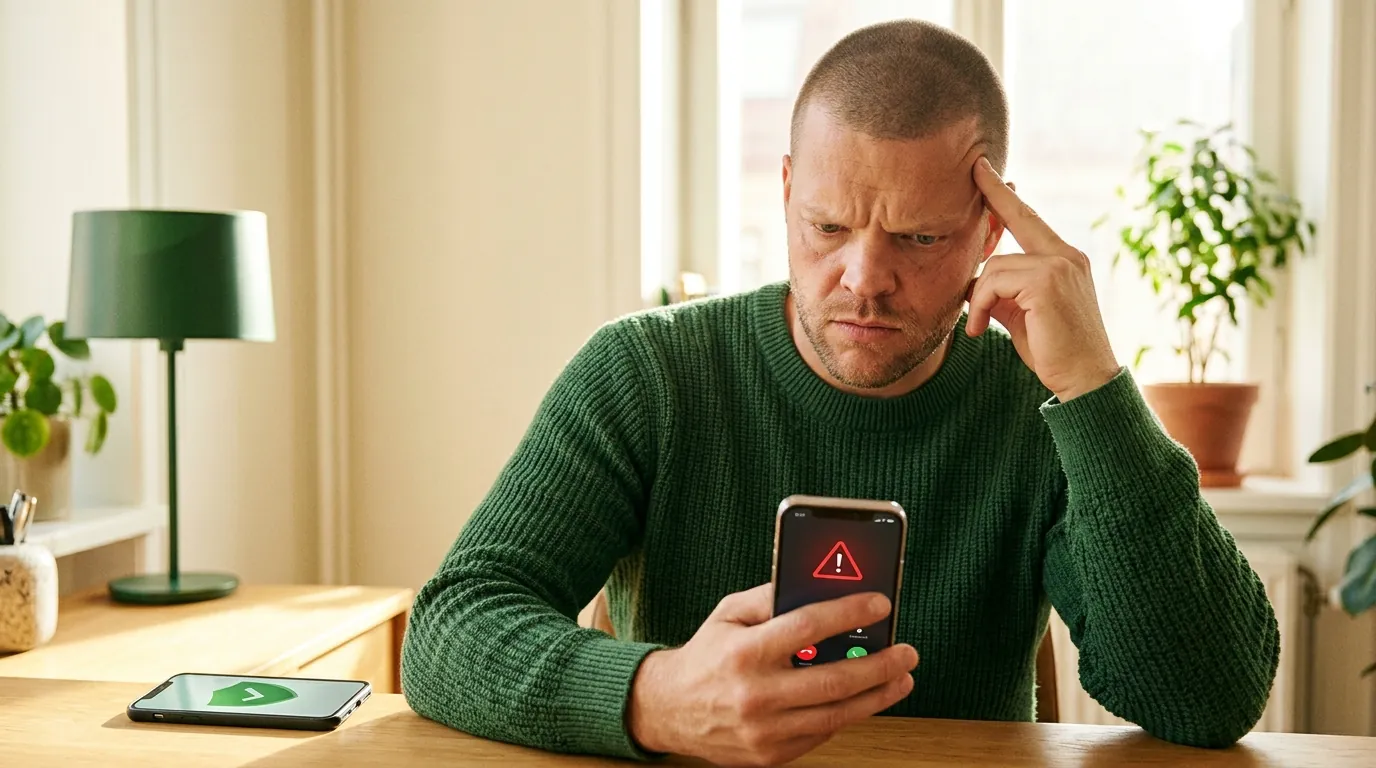
Nobody sends you an email when your number gets labeled. There is no dashboard alert. The pickups just quietly stop, and for a week or two you assume the leads got worse.
They did not. Your caller ID did.
The short version
- Carrier analytics score behavior, not intent — a legitimate agency can absolutely get flagged.
- The fastest way to get labeled is high volume from a brand-new, unregistered number.
- Short calls and high decline rates are the two strongest negative signals you control.
- Buying new numbers to escape a label is the most expensive possible fix.
What the carriers are actually scoring
Three separate systems interact here, and mixing them up leads to bad decisions.
| Layer | What it does | What you control |
|---|---|---|
| Caller ID authentication | Cryptographically signs that the calling number is legitimately yours | Use a carrier that signs your traffic properly |
| Analytics engines | Score behavior and apply the on-screen label | Call patterns, duration, decline rate |
| Branded caller ID | Shows your business name instead of a bare number | Register the number to a verified business |
Authentication is not reputation
A properly signed call can still be labeled. Signing proves the number is really yours; the analytics engines decide whether people want to hear from it. You need both.
The behaviors that get you flagged
Relative weight of common negative signals
Directional — the exact weighting is proprietary to each analytics provider.
Fix the top two before touching anything else — they are behavioral and entirely within your control.
The warmup routine
The day-one blast
- New number, full campaign volume immediately
- Hundreds of sub-ten-second calls
- No business registration, bare digits on screen
- Flagged, replaced, repeat
DaysTime to a spam label
The gradual ramp
- Two to four weeks of increasing volume
- Real conversations that last real amounts of time
- Registered business identity on the caller ID
- Continuous monitoring so drift is caught early
MonthsUseful life of a healthy number
2–4 wks
Warmup window before full volume
30s+
Target median call duration
1 ID
Registered business name on every number
7-day
Monitoring cadence for label drift
Do not churn numbers
Rotating through fresh numbers every time one gets flagged keeps you permanently untrusted and trains the analytics engines to flag your traffic faster. Fix the pattern, then rehabilitate the number.
If you are already flagged
Stop the volume
Pause campaigns on that number. Continuing to dial while flagged deepens the score.
Register and brand
Get the number tied to a verified business identity so your name shows instead of digits.
File remediation
Each major analytics provider has a correction process. Submit to all of them, not just one.
Re-warm slowly
Return to a low, gradually increasing volume with genuine conversations.
Fix the cause
If your median call is eight seconds, remediation will not hold. Change the calling pattern.
Monitor weekly
Check the label yourself on real handsets across carriers. Do not wait for pickups to drop.
Warmup and spam defense, built in
Numbers get warmed and monitored automatically, so your calls keep landing as your volume grows.
Frequently asked
Why does my business number show as Spam Likely?
Carrier analytics engines score numbers on behavior: call volume relative to history, how many calls are very short, how often people decline or block, and whether the number is properly registered to a real business. A brand-new number pushed to high volume on day one looks exactly like a spammer, so it gets labeled.
How long does it take to warm up a new phone number?
Plan on two to four weeks of gradually increasing volume before running full campaigns. The goal is a believable ramp with real conversations, not a burst. Rushing it is the most common reason a number gets flagged before it ever produces business.
Can I just buy new numbers when one gets flagged?
You can, and it is the most expensive habit in outbound. Churning numbers keeps you permanently in the untrusted new-number bucket and gets you flagged faster each cycle. Fixing the behavior that caused the label is cheaper than replacing numbers forever.
Sources
Put this on your own phone line
See the AI dial, qualify, and warm-transfer a live call in under a minute. No contract, no dev work.
Keep reading

Speed to Lead in 2026: Why the First 60 Seconds Decides Who Writes the Policy
The lead you paid for is not lost to a better agent. It is lost to a faster one. Here is what response time actually does to contact and conversion rates, and how to get to sixty seconds without hiring a dialer team.

Virtual Assistants for Insurance Leads: Cost and Risk
A calling VA for insurance leads runs $1,360 to $2,320 a month, and the NAIC producer licensing model act raises a question worth asking before you hire one.

Outsourcing Insurance Follow-Up Calls: What Doesn't Transfer
Outsourcing your calls can cost $8 to $11.50 each and still leave your agency holding TCPA liability. The FCC rule, real cost math, and a vendor checklist.